



Cracker Barrel’s recent logo change has sparked controversy, but the real issue lies deeper than aesthetics. Facing declining profits and an aging customer base, the company needs to connect with future generations to survive.
Regrettably, their rebranding effort, while necessary, was poorly executed. This article examines how Cracker Barrel’s misstep in introducing change offers valuable lessons for companies navigating the delicate balance between tradition and progress.
The backlash against Cracker Barrel’s rebrand could have been avoided if it had been introduced more creatively and thoughtfully.
On Cracker Barrel’s website, they essentially apologized: “If the last few days have shown us anything, it’s shown us how deeply people care about Cracker Barrel. You’ve also shown us we could’ve done a better job of sharing who we are and who we’ll always be.”
This is the first rebrand Cracker Barrel has made in nearly 50 years. It has not updated or tweaked its logo since 1977. Not surprisingly, this overhaul is going to burn some loyal fans’ biscuits!
Rebranding is an opportunity to tell a compelling story, strengthen brand loyalty, and attract new ideal customers. The Cracker Barrel team missed its opportunity. They could have built momentum leading up to the launch with younger audiences and their existing fan base.
Instead of backpedaling, Cracker Barrel could have leaned into storytelling. Imagine a launch video walking customers through the redesign process, showing the beloved barrel simplified and turned sideways, then layered behind the classic Cracker Barrel font. The message with the new slogan could have reassured fans that the things they loved about the Cracker Barrel experience weren’t going away with the “Uncle Hershel and barrel.”
They could have built connection instead of confusion.
We like the updated, clean Cracker Barrel wordmark. Keeping the font was smart, and they landed on a winning slogan: “All the More.”
When did they hire country musician Jordan Davis to promote Cracker Barrel? Was it for the launch or to help recover from the backlash? The ad has the potential to achieve the rebranding objective: to keep loyal customers happy and win over the next generation to at least give Cracker Barrel a try.
Cracker Barrel promises to keep the same feel, from front porch rockers, southern hospitality, and peg games on the table.
This article, Creative Bloq: Cracker Barrel Logo Controversy, slammed the MAGA movement as the right-wing conservatives argue that companies are trending away from traditional American nostalgia. The author criticizes people who make this argument for lacking design sense and an understanding of modern branding. Perhaps so for some; likely, others are joining the critical choir for clicks. Others may feel like this is a familiar shaking off of a traditional American icon.
Some argue that the rebrand is part of a broader cultural shift in which companies are erasing traditional icons under pressure. Think Uncle Ben’s or Aunt Jemima. While those moves stemmed from complicated cultural debates, they left many people feeling that companies abandoned long-standing symbols too hastily. This strong sentiment has done more than go viral on social media; it’s negatively impacted the value of the company’s stock.
It’s understandable that critics lump Cracker Barrel’s rebrand into that same narrative: nostalgia under attack. But from my perspective, this was less about politics and more about survival.
Comedian Tim Hawkins’ bit about the quirky experience at Cracker Barrel.

Our approach to brand Identity follows that of the great pathfinders of modern branding, like Paul Rand. He said that a company‘s brand Identity, its logo, should be like that of a national flag: distinctive, memorable, simple, and timeless. A logo should be recognizable from far away and be easily applied in any media. Above all, it should convey meaning.
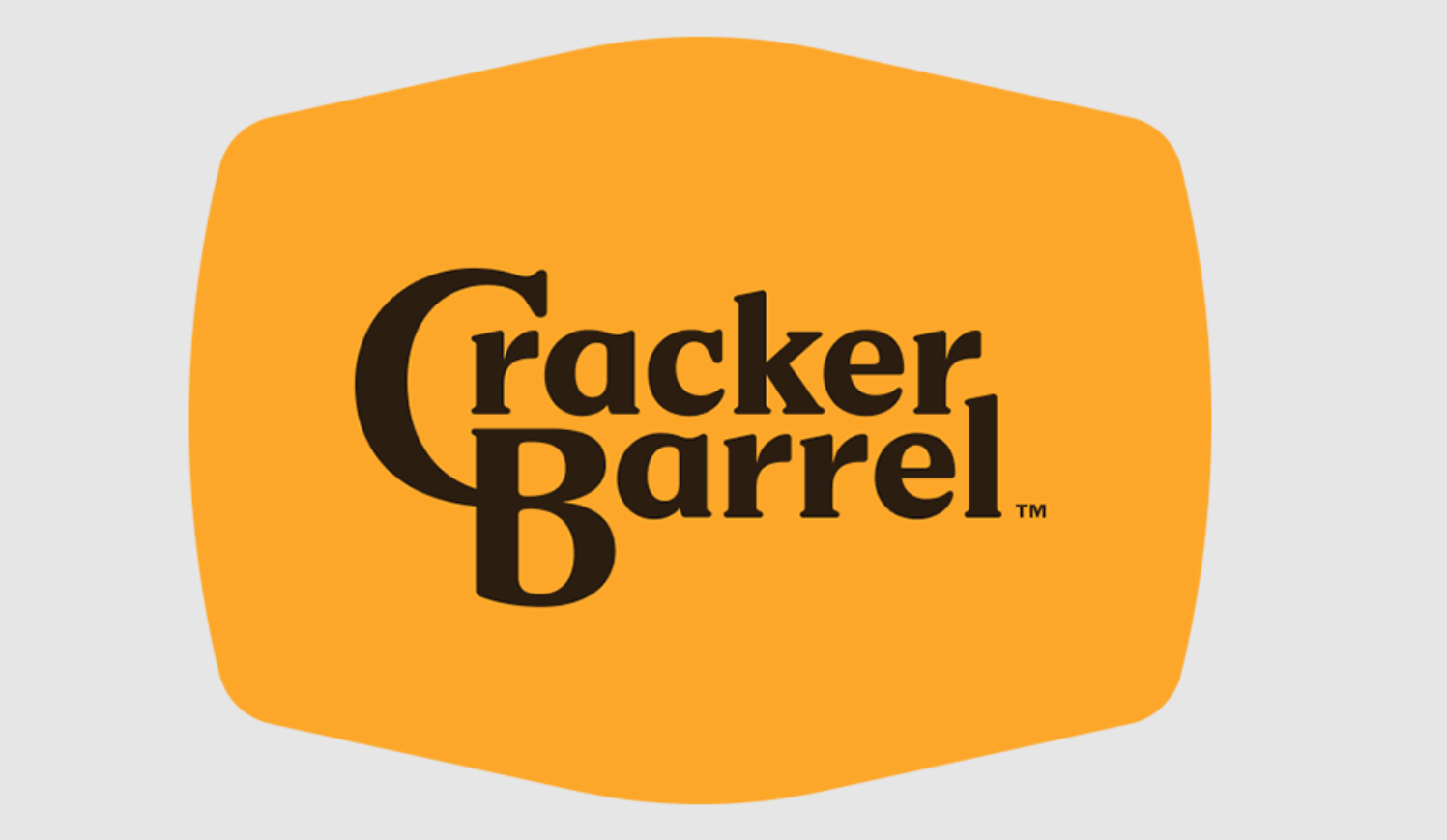
Most definitely, the old Cracker Barrel logo has too many details, which makes it difficult to reproduce clearly in a wide variety of media. There’s no question that it needed to be refined and updated.
The new logo, we’re told, represents the barrel in the shape of the Logo’s yellow background, and they kept, to a large degree, the stylized font in its original form, with minor changes.
A rebranding endeavor by a company of this size most certainly would have begun with extensive research. I highly doubt that the rebrand was an effort to insult customers and erase American tradition. Businesses need to maintain profit, and Cracker Barrel‘s revenue was in decline.
According to Tim Calkins’ article in Strong Branding, Rebranding Cracker Barrel: “Net income was $255 million in FY 2021. Profits have declined every year since then, falling to $41 million in FY 2024. The stock is down from a high of about $175 in 2021 to less than $60 this year.” Cracker Barrel‘s customer population averaged around 65 years of age.
With approximately 70,000 employees and more than 660 stores, they needed to take action to connect with younger generations to survive.
Will Cracker Barrel Expand Its Current Market?
I’m not Cracker Barrel’s target market. I’ve eaten there twice, and both times, I struggled to find a low-calorie option, but I spent happily in the gift shop.
Cracker Barrel promises to keep the same feel, from front porch rockers, southern hospitality, and peg games on the table. The company’s website still showcases plenty of comfort food, including fried everything, overcooked green beans, and sugary-sweet plates.
If those key elements of the Cracker Barrel experience stay, most loyal customers (like my friend Evelyn, who still drives out of her way for a Cracker Barrel fix) won’t be swayed by a new logo.
Truthfully, I had decided to never go to Cracker Barrel again, but now, with their new Brown Sugar Latte, I’m ready to give it another go.
Lesson Learned: Rebranding is A Rare Opportunity to Tell Your Story. Use it well!
At its heart, this rebrand is less about erasing nostalgia and more about ensuring longevity. The real misstep wasn’t the design—it was the rollout. With better storytelling, Cracker Barrel could have made fans feel like part of the journey, rather than being blindsided by change.
What matters most is whether Cracker Barrel can deliver on its promise. Nostalgia may fill the heart, but necessity fuels survival.
When it comes to rebranding, people don’t just want a new look—they want to know the why behind it.
Have you been to a Cracker Barrel? What do you think about the rebrand?